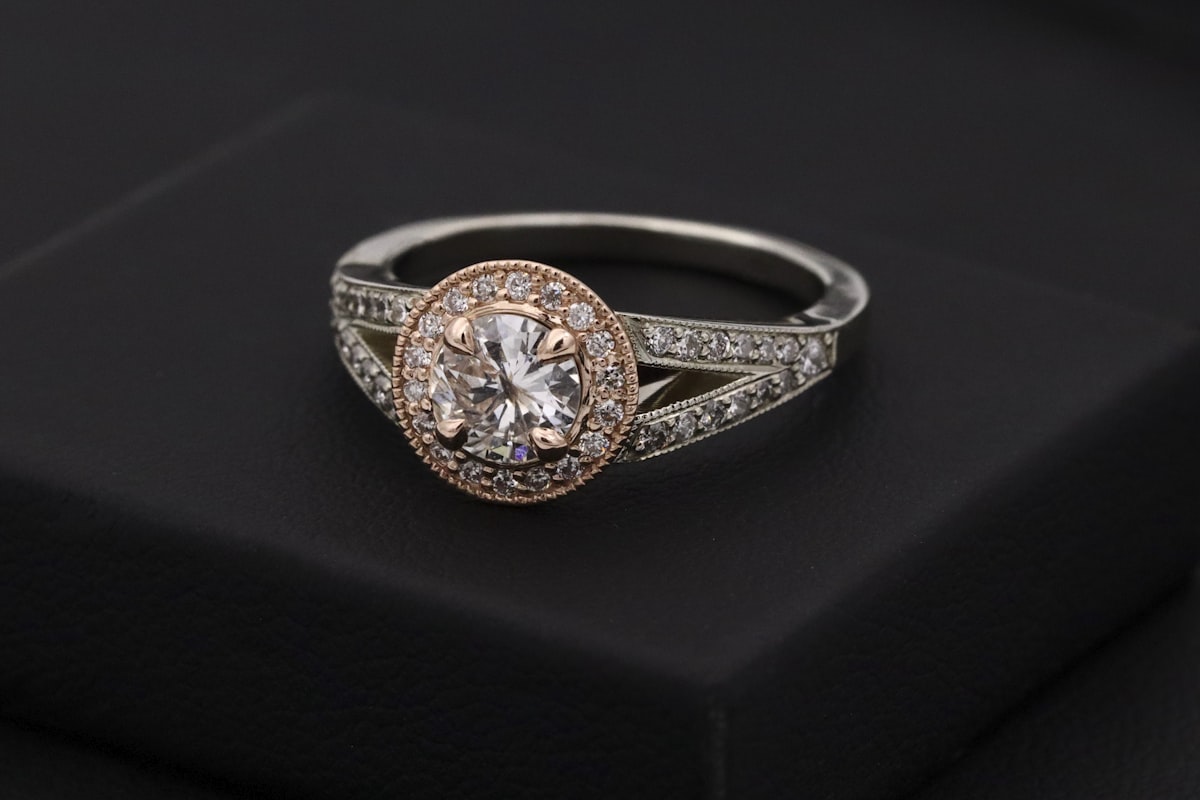
The diamond industry is going through a fundamental shift, and I find myself having this conversation more and more: lab-grown versus natural. Where I once encountered skepticism about lab-grown stones, I now see acceptance—sometimes enthusiastic, sometimes reluctant—as the technology has matured and prices have dropped.
I've been in this industry long enough to remember when lab-grown diamonds didn't exist commercially. Now they represent a significant and growing segment of the market. Whether that's good or bad depends entirely on your perspective and what you value. My job isn't to tell you which to choose—it's to help you understand the differences so you can make a choice that's right for you.
What Are Lab-Grown Diamonds?
Lab-grown diamonds (also called synthetic diamonds, cultured diamonds, or man-made diamonds) are real diamonds. They have the same chemical composition, crystal structure, and physical properties as diamonds formed in the earth. They're not cubic zirconia or moissanite—they're actual carbon crystallized in a laboratory.
The key difference is origin. Natural diamonds formed billions of years ago under extreme pressure and temperature deep in the Earth's mantle. Lab-grown diamonds are created using two primary methods that replicate those conditions:
High Pressure High Temperature (HPHT)
HPHT mimics the natural diamond formation process. A small diamond seed is placed in carbon and subjected to pressures over 5 GPa and temperatures exceeding 1500°C. The carbon melts and forms around the seed, creating a larger diamond.
HPHT was the original method and produces diamonds that often have distinctive color characteristics. Early HPHT stones sometimes had brownish or grayish tints, but modern HPHT produces excellent quality.
Chemical Vapor Deposition (CVD)
CVD is a newer method that uses lower pressure and a carbon-rich gas (typically methane) heated to around 800°C. The gas molecules break down and carbon atoms deposit onto a diamond substrate, layer by layer.
CVD produces diamonds with fewer internal stress patterns than HPHT and is now the more common production method. Most lab-grown diamonds entering the market today use CVD.
Both methods produce diamonds that are chemically, physically, and optically identical to natural diamonds. Even expert gemologists often cannot tell them apart without specialized equipment.
The Visual Question
To the naked eye, lab-grown and natural diamonds look identical. They refract light identically, sparkle the same way, and can't be distinguished without magnification and training.
However, there are some nuances:
Inclusions
Natural diamonds often have natural inclusions that formed during their billion-year growth. Lab-grown diamonds can have inclusions too—metal flux used in HPHT can create metallic inclusions, while CVD can produce distinctive inclusion patterns related to the growth process.
A trained grader using a microscope can often identify inclusion types as characteristic of lab-grown or natural origin. But for everyday wear, this distinction is invisible.
Phosphorescence
Some lab-grown diamonds exhibit phosphorescence—glowing after exposure to UV light. This is more common in HPHT stones and can be used as an identification feature. Natural diamonds can phosphoresce too, but the characteristic is more commonly associated with lab-grown stones.
Color
Both natural and lab-grown diamonds come in all colors. Colored lab-grown diamonds have become popular—the ability to consistently produce fancy colors is one advantage of lab-grown technology. Natural fancy colored diamonds are rare and expensive; lab-grown versions are more accessible.
The Value Question
This is where the comparison gets contentious.
Historical Value
Natural diamonds have held their value reasonably well over time, particularly for stones with characteristics that remain in demand. Investment-grade natural diamonds have seen appreciation, though not without volatility.
The caveat: most people buy diamond jewelry at retail, not wholesale. By the time you buy and later sell, even natural diamonds often sell for significantly less than retail. Diamond jewelry is not an investment in the traditional sense—it's a purchase that provides aesthetic and emotional value.
Lab-Grown Diamond Price Trajectory
Lab-grown diamond prices have fallen dramatically since commercial introduction. When they first appeared, they were only slightly less expensive than natural. Now, lab-grown diamonds can cost 80-90% less than equivalent natural stones.
This decline continues. Manufacturing capacity has increased faster than demand, and prices continue to fall. This creates an uncertain future for lab-grown diamond value retention.
The question everyone asks: will lab-grown diamond prices stabilize? Industry analysts are divided. Some believe current prices are near floor; others see continued pressure as more manufacturing capacity comes online.
What This Means for Your Purchase
If you're buying primarily for beauty and wearability, lab-grown diamonds offer excellent value. You can get a significantly larger or higher-quality stone for the same budget. Many people find this compelling.
If you're concerned about resale value or view diamonds as an investment, natural diamonds currently retain more value. But remember: even natural diamond jewelry typically sells for less than retail at resale.
The honest answer: diamonds of any origin are not good financial investments. They're purchases that provide non-financial value. Choose based on what matters to you aesthetically and ethically, not based on investment return expectations.
The Ethical Question
Lab-grown diamonds are often marketed as more ethical than natural diamonds. The reality is more nuanced.
Natural Diamond Concerns
The diamond industry has faced legitimate criticism for:
- Conflict diamonds (stones used to finance civil wars, particularly in Africa)
- Poor labor conditions in some mining operations
- Environmental damage from mining
The Kimberley Process, established in 2003, attempts to certify that diamonds are conflict-free. While imperfect, it has reduced the flow of conflict diamonds. Most diamonds sold today are certified conflict-free.
Lab-Grown Diamond Reality
Lab-grown diamonds raise their own ethical questions:
- Energy consumption: Diamond manufacturing requires significant electricity. The carbon footprint depends on how that electricity is generated.
- Working conditions: Some manufacturing facilities have faced criticism for labor practices.
- No direct funding of conflicts, which is genuinely positive.
Neither option is perfectly ethical. Both involve complex supply chains and real environmental impacts. Making choices based on incomplete information isn't ideal, but it's the reality we all live in.
What I Tell Clients
Neither lab-grown nor natural is objectively more ethical. If ethical sourcing is your priority:
- Ask about the specific company's practices
- Consider the environmental impact of manufacturing versus mining in your specific situation
- Look for certifications and transparency
- Recognize that "ethical" is complicated
The Emotional Question
Some people feel strongly that only natural diamonds carry the emotional significance of an engagement ring or important piece. This is a personal belief, and I don't dismiss it.
The arguments for natural diamonds having unique meaning:
- The billions-of-years formation creates romantic symbolism
- Rarity correlates with perceived value and significance
- Tradition carries weight
The arguments for lab-grown diamonds having equal meaning:
- They're real diamonds with identical physical properties
- The choice to create a new diamond rather than mine one could symbolize different values
- Beauty and intention matter more than origin
I have clients who feel deeply that their engagement ring must be natural, and clients who feel equally strongly that lab-grown aligns better with their values. Both positions are valid. The choice is personal.
Current Market Trends
As of 2026, here's where things stand:
Market Share
Lab-grown diamonds now represent roughly 15-20% of the diamond jewelry market by volume, and the percentage is growing. In terms of value, the share is smaller because lab-grown stones sell at lower price points.
Retail Landscape
Most major jewelers now offer lab-grown diamond options alongside natural. Some retailers specialize exclusively in lab-grown. Traditional miners have entered the lab-grown space, either through partnerships or owned brands.
Consumer Sentiment
Acceptance of lab-grown diamonds has increased significantly, particularly among younger buyers. The primary objection—authenticity—has diminished as understanding has grown. However, natural diamonds still dominate at the highest end of the market.
Future Trajectory
Expect continued growth in lab-grown market share, continued price pressure, and further market segmentation. Natural diamonds will likely maintain premium positioning at the high end, while lab-grown dominates at accessible price points.
Making Your Decision
Here's my practical framework for choosing:
Choose lab-grown if:
- You want the largest or highest-quality stone for your budget
- Environmental or conflict-free concerns are priorities
- You view diamonds primarily as beautiful objects rather than stores of value
- You're comfortable with the possibility of future price declines
Choose natural if:
- Tradition and geological origin matter to you
- Resale value is a consideration (even if modest)
- You want a stone with characteristics that formed naturally over billions of years
- You're shopping at the high end where lab-grown hasn't fully penetrated
Either is fine if:
- You're making an informed choice based on understanding
- You communicate openly with your partner about preferences
- You're buying for the right reasons
The Bottom Line
Lab-grown and natural diamonds are both real diamonds. Both can be beautiful. Both have advantages and disadvantages. Neither is objectively wrong.
The decision should be based on your values, your budget, and your preferences—not on pressure from either side of the debate. Do your research, understand what you're buying, and choose what feels right for you.
And remember: the ring is a symbol. What matters is the commitment it represents, not the origin of the stone. A lab-grown diamond engagement ring carries exactly as much meaning as its wearer gives it.