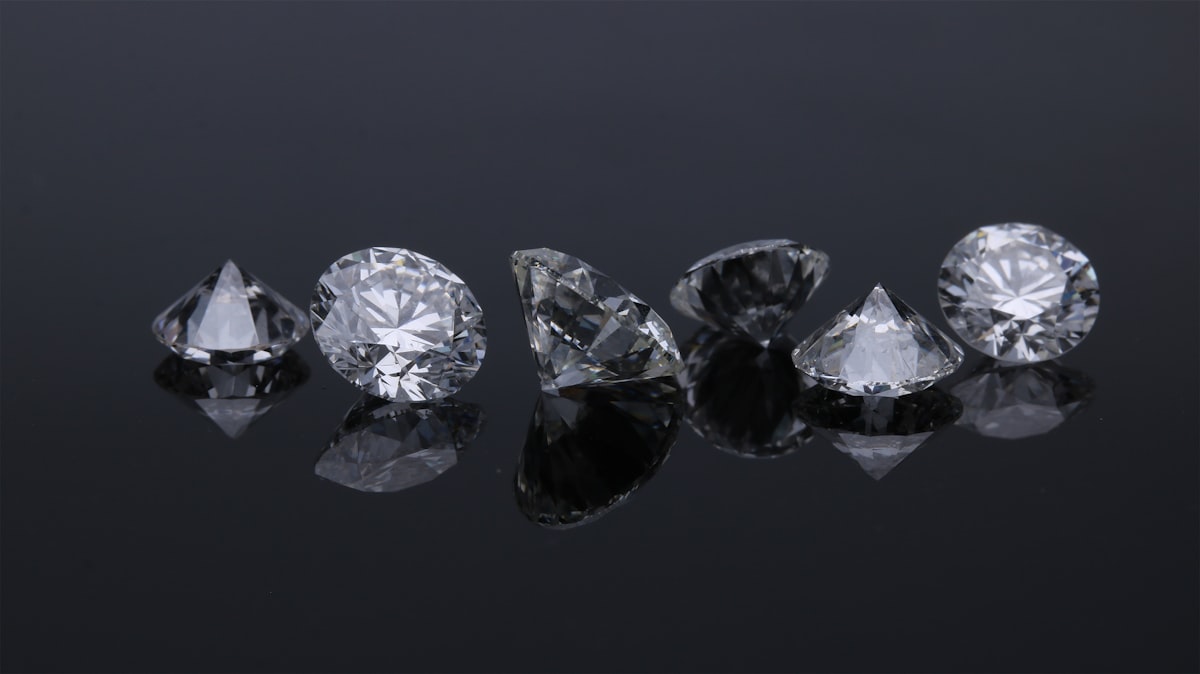
Walk into any serious collector's vault and you might be surprised. Alongside diamonds, you'll often find specimen after specimen of colored gemstones—rich reds, deep blues, verdant greens that seem to hold light within them. While diamonds dominated the 20th century as the default fine jewelry stone, the 21st century has seen a remarkable shift toward colored gemstones as serious investment assets.
I've been watching this trend develop for over two decades, and what started as whispers among serious collectors has become mainstream conversation. Clients who would never have considered anything but a diamond engagement ring are now asking about colored stones with the same seriousness they'd apply to any investment decision. This article will help you understand what you're getting into.
Why Colored Gemstones?
The case for colored gemstones as investments rests on several factors that have become increasingly compelling over the past twenty years.
Finite Supply, Rising Demand: Unlike diamonds, which have massive industrial mining operations capable of adjusting supply, colored gemstones are simply rarer. The finest rubies from Myanmar (formerly Burma), sapphires from Kashmir, and emeralds from Colombia represent geological coincidences that cannot be replicated or increased. Meanwhile, demand from China, India, and the Middle East has grown substantially.
Authenticity and Uniqueness: In a world of mass production, colored gemstones offer genuine individuality. No two Burmese pigeon blood rubies are exactly alike. This uniqueness has intrinsic value that appeals to sophisticated buyers.
Diversification: Colored gemstones don't correlate directly with stock market performance, making them potentially valuable as portfolio diversifiers. When financial markets stress, some investors turn to tangible assets—and colored gemstones fit that bill.
Evaluating Quality: The Four Cs, Applied Differently
Diamond grading provides a useful framework, but colored gemstones require a different mental model. The importance of each factor shifts dramatically.
Color: Everything
For colored gemstones, color is not just one factor among many—it dominates everything else. When evaluating a ruby, sapphire, or emerald, you're primarily judging whether its color is exceptional. Clarity, while important, becomes secondary to finding the most vivid, pure hue possible.
Gemological labs grade color based on three components:
- Hue: The basic color (red, blue, green). The finest gems have pure hues without brown, gray, or other modifiers.
- Tone: How light or dark the color is. Medium tones generally represent the sweet spot.
- Saturation: The intensity or vividness of the color. Higher saturation generally means more valuable, provided the stone remains attractive rather than appearing overly dark.
Clarity: Different Standards
Unlike diamonds, colored gemstones are expected to have some inclusions. In fact, certain inclusions can actually confirm origin and add character. The key question is whether any inclusions affect the gem's beauty or durability.
Emeralds are the most inclusion-tolerant. Nearly all emeralds have inclusions (sometimes called "jardin," French for garden). Rubies and sapphires should be relatively clean to the eye, though some inclusion patterns can indicate valuable origin.
Carat Weight: Price Jumps Dramatically
With diamonds, prices increase roughly proportionally with carat weight. With colored gemstones, prices often increase exponentially. A 2-carat fine ruby might cost five times as much per carat as a 1-carat specimen of equivalent quality. This makes smaller, excellent stones often represent better value than large, inferior ones.
Cut: Proportions for Beauty
Colored gemstones are cut to maximize color impact, sometimes at the expense of weight retention. A rough ruby might be cut into a non-standard shape to preserve the most vivid color zone. This is normal and appropriate. Standardized cuts matter less than how well the cut serves the stone's natural beauty.
The Big Three: Ruby, Sapphire, Emerald
Ruby
Ruby is corundum in its red form. Any other color of corundum is sapphire. The finest rubies display a color often described as "pigeon blood"—a pure, vivid red with a hint of blue that appears to glow under UV light.
Myanmar (Burmese) rubies have historically commanded the highest prices, particularly those from the famous Mogok Valley. Vietnamese and Mozambique rubies have become important sources, with Mozambique producing significant commercial quantities that meet fine quality standards.
Star rubies (which display asterism due to rutile silk) represent a niche category. They're valued differently, with the quality of the star and background color both mattering significantly.
Heat treatment is common and generally accepted in the ruby market. Unheated rubies command substantial premiums and should be certified as such by a reputable lab.
Sapphire
Sapphire's blue is the classic, but sapphire comes in every color except red (that's ruby). Blue sapphire is most valuable, particularly the rare "cornflower" blue from Kashmir. Ceylon (Sri Lankan) sapphires are also highly regarded and represent a broader range of lighter, more pastel tones.
Pink sapphire overlaps with ruby in coloring, creating an arbitrary boundary that gem labs must define. Padparadscha sapphire—pink-orange with a sunset quality—is exceptionally rare and valuable.
Yellow and green sapphires have become popular in fashion jewelry but don't represent significant investment potential. Fancy color sapphires as a category have seen increased interest, but blue remains the standard.
Emerald
Emerald is the green variety of beryl. The most prized specimens display a rich, saturated green with a hint of blue—sometimes called "green by the sea" for its vivid, slightly bluish-green hue.
Colombian emeralds have dominated the market for centuries, particularly from the famous Muzo and Chivor mines. Zambian emeralds have become increasingly important, often showing excellent color and relative clarity. Panjshir Valley emeralds from Afghanistan represent a rare and exceptional source, though limited availability.
Emeralds are typically oiled—a standard treatment that improves clarity by filling surface-reaching inclusions. Minor oil is accepted; significant clarity enhancement or resin infilling represents a different quality tier.
Other Investment-Grade Gemstones
Beyond the traditional big three, several other colored stones have investment potential.
Paraiba Tourmaline: Discovered in the 1980s, Paraiba tourmaline's electric blue-green color comes from copper. Fine specimens have appreciated dramatically and remain sought after, though supply from original Brazilian mines is essentially exhausted. Mozambican and Nigerian Paraiba-type tourmalines exist but command lower prices.
Alexandrite: This remarkable color-change chrysoberyl appears green in daylight and red in incandescent light. Russian alexandrite (from the original mines) is legendary but essentially unavailable. Brazilian alexandrite offers the best current availability but remains extremely rare.
Spinel: Long overlooked, spinel has gained significant recognition, particularly the vivid red "Mahenge" spinels from Tanzania and the iconic red spinels from Myanmar. Prices have increased substantially as more collectors recognize their beauty and rarity.
Market Considerations
Understanding the colored gemstone market requires acknowledging some realities that differ from conventional investments.
Liquidity: Unlike stocks or even diamonds, colored gemstones are not liquid assets. Finding a buyer for a significant purchase might take months. This makes colored gemstones appropriate for investors with long time horizons and stable assets elsewhere.
Price Discovery: Unlike gold or diamonds, there's no centralized pricing system for colored gemstones. Prices are negotiated privately, and comparables are harder to find. This makes expertise or trusted advisors essential.
Market Concentration: The colored gemstone trade centers on specific locations: Bangkok for many Asian gems, Colombia for emeralds, Sri Lanka for sapphires and specialty stones. This concentration creates both opportunities (deeper expertise) and risks (less regulatory oversight).
Risks and Caveats
I would be doing you a disservice if I presented colored gemstone investing as straightforward. Several factors can undermine your investment.
Market Volatility: The colored gemstone market is smaller and less transparent than diamonds or precious metals. Prices can fluctuate based on discoveries of new sources, changes in fashion, or economic conditions in key consumer markets.
Treatment Proliferation: The line between acceptable treatment and fraud can blur. Be wary of stones marketed with aggressive treatments or without certification from a respected lab (GIA, GRS, Lotus, AGL, Gübelin).
Forgery and Enhancement: Glass-filled rubies, diffusion-treated sapphires, and other products blur the line between natural and processed. Always buy with certification and from reputable dealers with return policies.
Overpaying: Entry-level colored gemstones are readily available but don't appreciate significantly. Only the finest specimens—exceptional color, clarity, and size—have meaningful investment potential. Mid-quality stones often sell for little more than retail years later.
Practical Recommendations
If you're considering colored gemstones as an investment, here is what I have learned from years in this industry:
- Buy the best quality your budget allows, in the smallest size that quality allows. A 1-carat exceptional ruby will outperform a 3-carat mediocre one.
- Always insist on laboratory certification from a respected lab. The certification should confirm origin and disclose any treatments.
- Buy from dealers with established reputations and track records. The relationships matter—reputable dealers will help you eventually resell.
- Think in terms of decades, not years. Colored gemstone investing is for patient capital.
- Consider your personal enjoyment. The finest scenario combines investment potential with genuine appreciation for what you own. These are beautiful objects first.
Colored gemstones can be legitimate components of a diversified wealth strategy, but they're not for everyone. The lack of liquidity, transparency, and standardization makes them more suitable for sophisticated investors or collectors who genuinely love the stones. If you fall into either category, they offer something that few other assets can: tangible, beautiful rarity that you can wear and enjoy while it potentially appreciates.