Every awards season, I find myself watching the red carpet not just for the dresses but for the jewelry. My friends think it's professional deformation, but I can't help it—celebrity jewelry is a fascinating window into what's possible, what's fashionable, and sometimes what's terrible. The red carpet is jewelry's highest-stakes stage, where pieces are photographed from every angle under unforgiving lights.
But here's what I've learned over decades of observing: celebrity jewelry is both more and less relevant to real life than it appears. There are genuine lessons to extract, but you have to know what to ignore.
The Allure and the Problem
Celebrity jewelry catches our attention because it represents the extreme end of the spectrum. These are the most expensive, most dramatic, most eye-catching pieces in the world. They generate headlines, set trends, and shape what people think of as "fine jewelry."
The problem is that most of what happens on the red carpet has nothing to do with real life. Those pieces are borrowed from jewelers for the event—often worth more than a house—and returned the next day. The celebrities wear them for a few hours under professional lighting, with teams of stylists ensuring everything is perfect.
Understanding this context matters. You shouldn't aspire to replicate a red carpet look any more than you'd aspire to wear a couture gown to the grocery store. But you can learn from how celebrities and their stylists make jewelry decisions, adapting the principles for your own life.
Iconic Moments and Why They Work
Princess Diana's Sapphire
Princess Diana's engagement ring—a 12-carat sapphire surrounded by diamonds in a white gold setting—was considered unfashionable by the jewelry establishment when she chose it in 1981. It was a departure from the classic diamond solitaires that preceded it. And then it became the most copied engagement ring in history.
What made it work: the color coordination with her eyes, the size that felt regal without being gaudy, and Diana's genuine affection for the piece. Later, when Catherine Middleton received the same ring (after Prince William proposed with it), it became even more significant. Now it's worn by a future queen.
Lesson: Personal meaning and authenticity trump fashion conventions. A piece that "shouldn't" work often does when it resonates with the wearer.
Elizabeth Taylor's Jewels
Elizabeth Taylor's jewelry collection was legendary, not just for its value but for her relationship with it. She knew the history of every piece, wore things that meant something to her, and wasn't afraid of drama. Her Bulgari ruby and diamond necklace, purchased as a gift from Richard Burton, became as iconic as any Hollywood film.
Lesson: Wearing jewelry that you genuinely love and that has a story makes you look different than wearing expensive things for the sake of expense. Authenticity reads.
Audrey Hepburn in Breakfast at Tiffany's
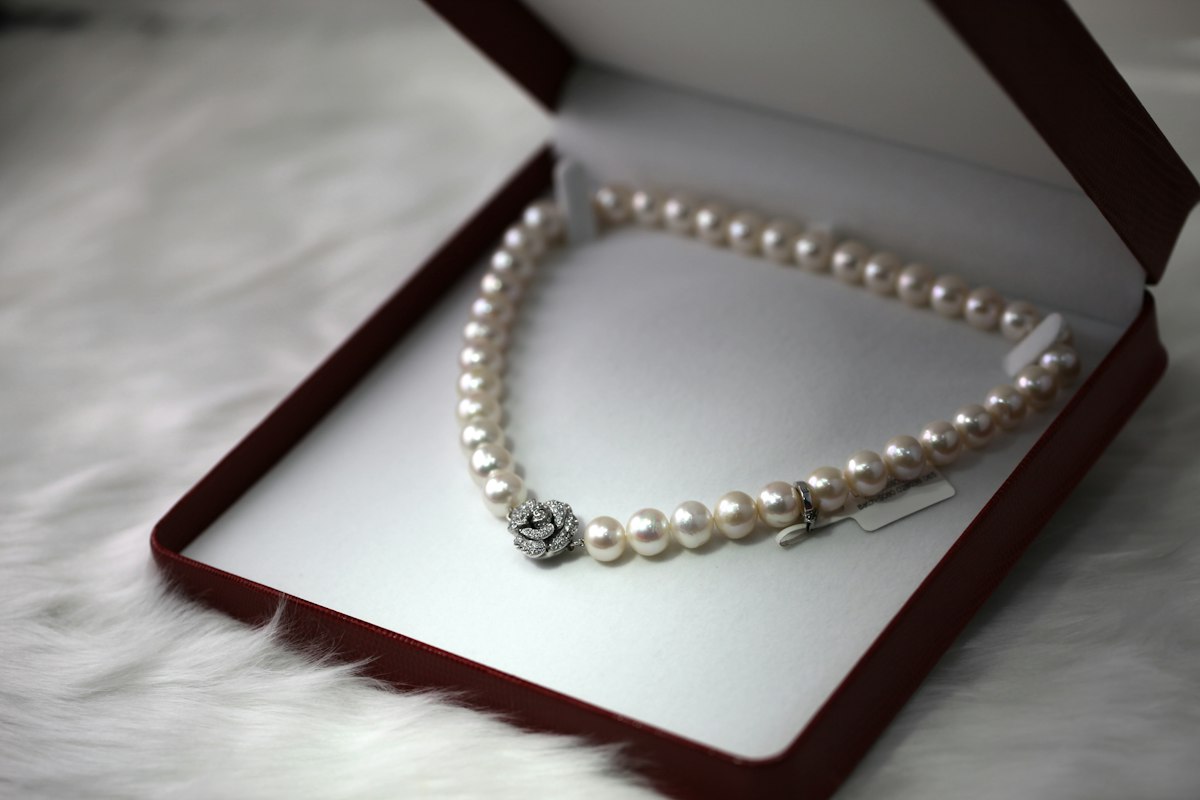
The pearl necklace. The little black dress. The tiara that Tiffany's designed specifically for the film. Hepburn's jewelry in that movie shaped how people think about elegant simplicity. The pieces were relatively restrained, but they were perfect.
Lesson: Sometimes less really is more. One exceptional piece can make a stronger statement than a dozen pieces competing for attention.
Pharrell's Grasses at the Grammys
At the 2014 Grammy Awards, Pharrell Williams wore a pietersite pendant with pavé diamond shoulders—a piece that didn't fit any conventional category. It sparked conversations, appeared on best-dressed lists, and demonstrated that men's jewelry could be genuinely interesting.
Lesson: Breaking conventions takes courage but creates memorability. Personal style means sometimes choosing what excites you rather than what's expected.
What NOT to Take From Red Carpet
The Size
Celebrities routinely wear stones that are completely impractical for normal life. A 20-carat diamond might photograph beautifully on the red carpet, but it would be absurd for everyday wear, inappropriate for most professional settings, and frankly uncomfortable.
What to take instead: The principle of proportion. Celebrity diamonds are sized for their context (enormous gowns, professional photography, distant viewing). Your diamonds should be sized for yours (professional settings, everyday wear, your hand size). Proportional is always more elegant than simply large.
The Stack
Red carpet looks often feature multiple rings stacked on every finger, multiple bracelets, multiple earrings. This works for maximum visual impact in photos but is unwearable in reality.
What to take instead: Choose one or two elements from a layered look. If you love the stacked ring idea, wear two or three delicate bands rather than ten statement pieces. Let each piece breathe.
The Statement Neckline
Many red carpet gowns are designed specifically to display jewelry—plunging necklines, bare shoulders, strategic cutouts. What works with a custom gown designed to show jewelry may not work with your wardrobe.
What to take instead: Consider your wardrobe when buying jewelry. If you mostly wear high-necked shirts, statement necklaces will sit in your drawer. Buy for your actual life.
The Borrowed Reality
Those enormous stones? Most celebrities don't own them. They're borrowed from jewelers who want the publicity. This changes the risk calculation entirely—a celebrity wearing a $5 million necklace faces zero financial risk if something goes wrong. You would.
What to take instead: Insurance exists for a reason. Enjoy your jewelry, but protect it appropriately. Don't wear your most valuable pieces in situations where loss is likely.
Principles Worth Adopting
Consider the Whole Picture
Celebrity stylists think about jewelry as part of the overall look—hair, makeup, dress, and jewelry all work together. This holistic approach works for real life too. Think about what you're wearing and when you're wearing it. The jewelry that looks stunning with an evening gown might be wrong for your office.
Match the Metal to the Moment
You'll notice celebrities often coordinate their jewelry metals to their outfit, watch, or other accessories. This creates a pulled-together look that feels intentional. In real life, this doesn't mean everything has to match perfectly—it means thinking about whether deliberate contrast or intentional matching serves you better.
Let One Thing Shine
The best red carpet looks often feature one exceptional piece and minimal accompanying jewelry. If you're wearing an important necklace, dial back the earrings and bracelet. If you want to show off a ring, keep the rest simple. This principle works universally.
Fit Matters
Celebrity jewelry is fitted by professionals. Rings are sized, bracelets are adjusted, earrings are positioned. Poor fit is distracting and uncomfortable. In real life, getting the right size isn't optional—it's essential.
Use our Ring Size Guide to find your actual size, and don't buy rings that don't fit. If a ring is slightly too large or small, a skilled jeweler can often adjust it.
Trends Worth Considering
Several red carpet trends have emerged in recent years that translate well to real life:
Colored Stones
The trend toward colored gemstone jewelry has accelerated. Where once the red carpet was dominated by diamonds, colored stones now appear regularly—sapphire, emerald, ruby, and more unconventional choices. This trend is accessible: you can participate with colored stone jewelry at any price point.
Vintage and Heirloom Pieces
Celebrities increasingly wear vintage pieces and family heirlooms rather than newly purchased items. This reflects both sustainability concerns and an appreciation for craftsmanship that's hard to find today. Vintage and estate jewelry offer unique alternatives to new purchases.
Interesting Metals
Yellow gold has made a significant comeback. Rose gold remains popular. Even black rhodium pieces have appeared. The days when white platinum or gold was the only "correct" choice are over. Feel free to explore metals that appeal to you.
Diamond Alternatives
Lab-grown diamonds and moissanite have appeared on red carpets, though natural stones still dominate the highest-end pieces. The trend toward alternatives reflects changing attitudes, particularly among younger buyers. Both have their place depending on your values and budget.
Making It Work for You
Here's a practical framework for applying celebrity jewelry lessons:
- Identify what you actually wear: Look at your closet and your calendar. What settings do you actually dress for? Buy jewelry for that life, not an imaginary life.
- Find your inspiration: Save images of looks you love—not celebrity looks, necessarily, but any jewelry that speaks to you. Build a collection of images that represent your taste.
- Edit ruthlessly: When getting dressed, less is more. Choose one or two pieces that make you feel complete rather than piling on jewelry.
- Invest in versatility: Classic pieces that work with everything give you more pleasure than statement pieces that only work in specific situations.
- Take care: Celebrity jewelry looks good because it's meticulously maintained. Keep your jewelry clean and in good repair.
The Bottom Line
Celebrity jewelry is a source of inspiration, not a template for copying. The best lessons aren't about replicating specific looks—they're about understanding principles: proportion matters, personal meaning creates impact, restraint often beats excess, and taking care of what you have pays dividends.
Watch the red carpet with a critical eye. Notice what works and what doesn't. Ask yourself why something looks good or falls flat. That analytical approach will serve you better than simply trying to recreate celebrity looks with a smaller budget.
Your jewelry should tell your story, not a celebrity's. That's the lesson that's hardest to learn from watching others, but it's the most important one.